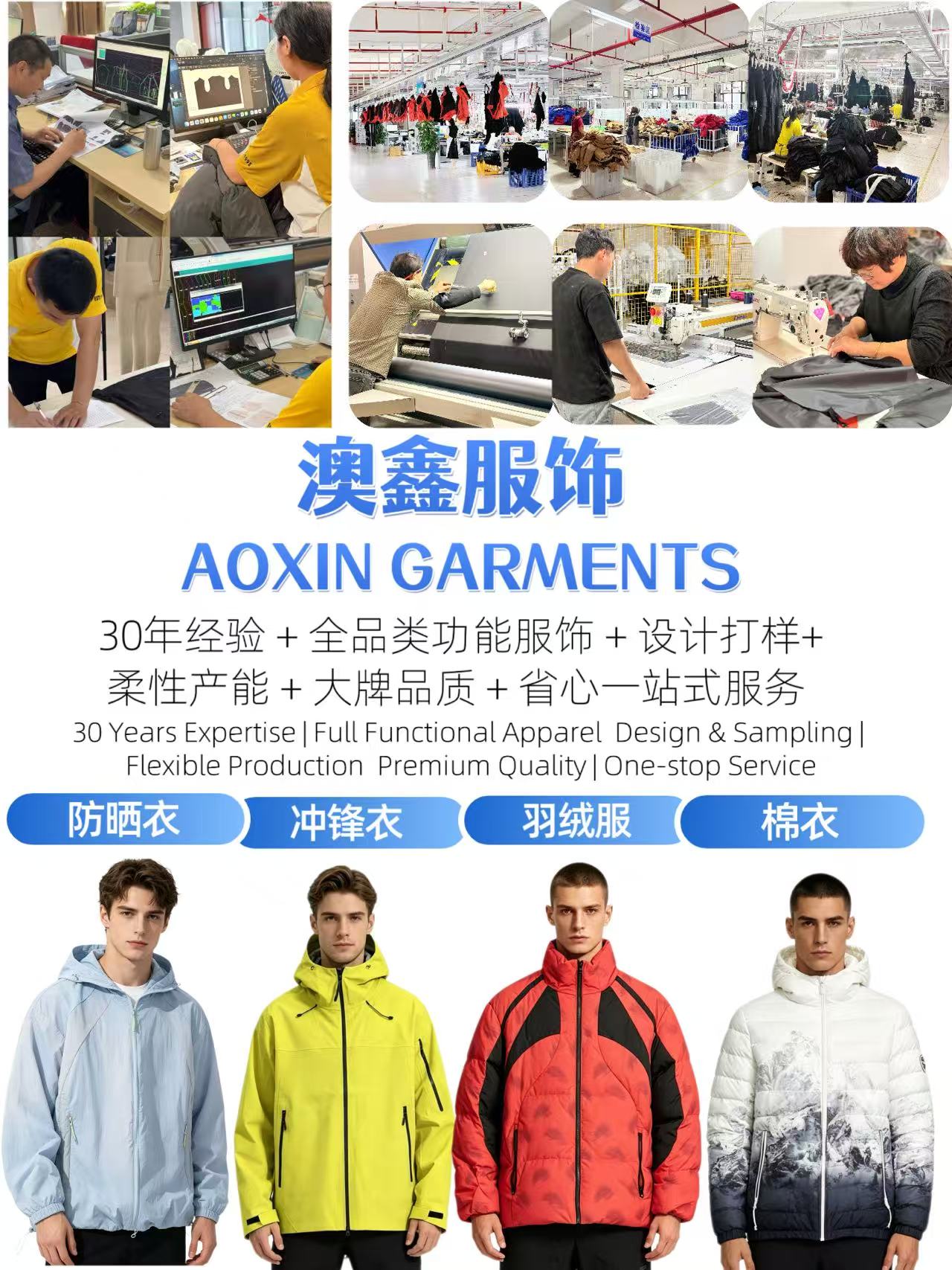

Finding the Right Factory: 5 Essential Guidelines for Brands
As a ski wear factory with years of experience, we’ve seen many brands face costly setbacks—waterproofing failures, seam leaks, delayed deliveries—often because they chose the wrong factory. The root cause: treating technical ski wear production like everyday apparel manufacturing.
Ski wear is engineered performance apparel. Its production requires specialized knowledge in seam sealing, fabric lamination, and functional design. If you’re looking for a reliable factory partner, these 5 guidelines will help you avoid the most common pitfalls.
1. Don’t Be Fooled by Samples—Check the Factory’s DNA
Key Question: What is the factory’s core business?
Common Pitfall: A stunning sample may come from an external design studio, while the actual production line lacks the necessary technology. A factory that usually makes T-shirts or jeans but suddenly offers ski wear is a high-risk partner.
Signs of a Specialist Factory:
- Specialization: 80%+ of their orders should be ski wear, ski jackets, or technical outdoor apparel.
- Equipment: Must have heat taping machines (for seam sealing), fabric inspection machines, and down/synthetic fill machines.
- Proof of Work: Request real production line videos or live tours, not just polished photos.
2. Development Capability ≠ Sketching Skill—It’s About Technical Execution
Key Question: Can the factory translate a design into a manufacturable, functional product?
Common Pitfall: A great design can fail if the factory’s pattern makers don’t understand ski-specific needs (e.g., a hood that doesn’t fit over a helmet, incorrectly placed powder skirts).
How to Vet Technical Skill:
- For ODM: Provide your tech pack. Ask how their pattern makers would optimize the structure and what fabrics they recommend.
- For OEM: Provide an image or concept. A competent factory should propose a fabric selection + cost structure + production plan within a few days.
- Ask Detail-Oriented Questions: e.g., “How do you seal the underarm vent zipper to the inner mesh to prevent water ingress?” Judge the technical depth of their answer.
3. Quality Control is About Data, Not Promises
Key Question: How does the factory measure and control quality?
Common Pitfall: Verbal assurances are meaningless. The core performance of ski wear must be quantifiable and verifiable.
Checklist for Data-Driven QC:
- Waterproof & Breathability: Does each batch get lab tested? Can they provide 3rd party test reports (e.g., against GB/T 41176-2021 or European standards)?
- Process Standards: Is seam tape width consistent? (Industry standard for critical seams: ≥13mm).
- In-Process Inspection: Do they have IPQC (In-Process Quality Control) records? Do they inspect cut pieces, semi-finished, and finished products at each stage?
4. A Reasonable MOQ is a Quality Guarantee, Not a Barrier
Key Question: What is the factory’s Minimum Order Quantity (MOQ)?
Common Pitfall: Factories offering very low MOQs (e.g., 10-20 pieces) are often outsourcing or bundling orders, leading to unreliable quality and delivery. Ski wear requires specific fabric procurement, template setup, and machine calibration—a reasonable MOQ is a sign of a professional factory.
Industry Reference:
- Professional Ski Wear Factory: 500-800 pieces per style per color is a standard and efficient starting point.
- Why it Works: Ensures uniform fabric sourcing, dedicated production lines, and stable processes.
- Flexible Partner: Look for factories (like ours in Quanzhou) that specialize in this “sweet spot” MOQ, offering balanced scale and manageable risk for growing brands.
5. Plan for Problems, Not Just Perfection
Key Question: How does the factory handle quality issues when they arise?
Common Pitfall: Only discussing the “happy path” during negotiations leaves you vulnerable.
Clarify Before You Start:
- Defect Rate: Do they guarantee a maximum defect rate (e.g., ≤2-3%)? How are defects handled?
- After-Sales: Is there a written policy for recalls/replacement priority for re-orders?
- Communication: Is there a dedicated contact? Can they provide daily/weekly production updates?
Why Quanzhou Factories Are a Smart Choice for Growing Brands
Based in Quanzhou, we leverage unique regional advantages:
- Supply Chain Cluster: A complete network of fabric, zipper, and trim suppliers within a short radius enables faster reaction times (1-2 weeks quicker than some northern regions).
- Export-Quality Mindset: Decades of serving European, American, Japanese, and Korean brands mean strict adherence to international standards is in our DNA.
- Agile & Focused: We are not a 10,000-worker megafactory. We specialize in deep collaboration, rapid response, and flexible production for emerging, DTC, and designer brands.
Choosing a factory is choosing a partner. Their technical depth, responsiveness, and problem-solving skill directly impact your product’s success in the market.
If you’re planning your next ski collection or are unsatisfied with your current supply chain, let’s talk. We offer potential partners a free ski wear tech assessment, 3D virtual sample previews, and small-batch sampling support—no obligation, but the conversation will make you a more informed buyer.
Because understanding production is the first step to creating great products.